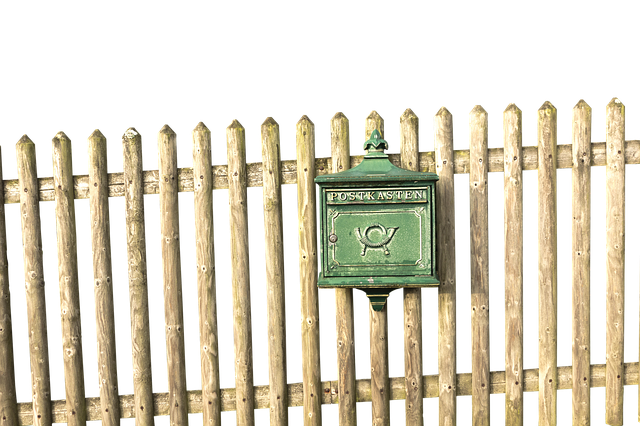
Large properties present unique challenges when it comes to fencing, demanding durable, yet cost-effective solutions. This article guides you through various aspects of installing fences on extensive land, from understanding specific needs to selecting budget-friendly materials like wood or vinyl. It explores creative design options, DIY installation tips, navigating local regulations, and maintenance strategies for long-lasting savings.
- Understanding Fencing Needs for Large Properties
- Budget-Friendly Materials: Wood vs. Vinyl
- Creative Design Options on a Dime
- DIY Install: Saving Costs and Time
- Local Regulations and Permits: What You Need to Know
- Maintenance Tips for Longevity and Cost Savings
Understanding Fencing Needs for Large Properties
Large properties come with unique fencing challenges. The size and diverse terrain often require robust yet cost-effective solutions that can adapt to varied landscapes. Understanding these specific needs is essential before selecting any fencing material or design. For instance, a sprawling ranch may necessitate sturdy fences capable of withstanding potential wildlife encounters, while an urban estate might focus on privacy and security barriers that conform to local regulations.
Moreover, the fence’s functional role should align with aesthetic preferences. Is it primarily for security, privacy, decoration, or a combination of these? This consideration guides the choice of materials, styles, and designs, ensuring the final product not only serves its purpose but also enhances the property’s overall allure.
Budget-Friendly Materials: Wood vs. Vinyl
When considering fencing options for large properties on a budget, the choice between wood and vinyl is an essential one. While both materials offer cost-effective solutions, each has its unique advantages and drawbacks. Wood, a classic and readily available option, can be incredibly affordable, especially when opting for pressure-treated varieties. This natural material allows for a range of aesthetic options, from traditional to rustic styles, seamlessly integrating with the surrounding landscape. However, wood requires more maintenance over time due to its susceptibility to rot, pests, and weather damage.
On the other hand, vinyl fencing presents a low-maintenance alternative. Made from durable PVC, vinyl is resistant to rot, fading, and rust, ensuring longevity without extensive upkeep. Its uniform appearance offers a sleek, modern look, suitable for both traditional and contemporary property designs. While initially more expensive than wood, vinyl’s low-maintenance nature can lead to significant long-term savings. The material’s flexibility also allows for creative designs and easy installation, making it an attractive choice for large properties on a budget.
Creative Design Options on a Dime
When it comes to fencing large properties, creativity can help reduce costs while still achieving an aesthetically pleasing result. Instead of opting for standard, mass-produced fences, consider unique designs that utilise budget-friendly materials. For instance, a split-rail fence, though reminiscent of rural landscapes, can be constructed using reclaimed wood or affordable synthetic materials. Woven bamboo or rattan panels offer a natural, eco-friendly alternative with a touch of exotic charm.
For those seeking modern aesthetics on a limited budget, metal fencing doesn’t have to mean expensive, industrial-style designs. Opt for simple, minimalist lines and incorporate vibrant colors through spray painting or galvanized coatings. These creative approaches allow you to personalize your space without breaking the bank, ensuring that your large property boasts a beautiful and unique fence.
DIY Install: Saving Costs and Time
For those looking to save on both time and money, installing your own fence can be a cost-effective fencing solution for large properties. DIY installation allows you to bypass labor costs associated with professional installers, significantly reducing overall expenses. With the right tools and a clear set of instructions, homeowners can take on this project themselves, ensuring they have complete control over the process and the final product.
Many modern fencing materials are designed with do-it-yourselfers in mind, featuring simple, modular designs that require minimal skill to assemble. Additionally, investing in high-quality components from reputable manufacturers can prevent costly repairs or replacements down the line. While DIY installation may be more challenging for large or complex properties, it remains a viable option for many, offering substantial savings compared to hiring professional contractors.
Local Regulations and Permits: What You Need to Know
Before installing any fencing on your large property, it’s crucial to familiarize yourself with local regulations and permits. Each municipality or district has its own set of rules governing fence construction, aiming to maintain aesthetic standards, privacy concerns, and safety. These regulations can dictate materials, heights, setbacks from property lines, and even design elements. Failure to comply can lead to costly fines or the requirement to dismantle and redo the fencing.
Permits are usually required for any significant alteration to your property, including fence installation. They ensure that projects meet safety and building codes. Check with your local planning department or building inspector to understand what specific documentation is needed. This process may involve submitting detailed plans of your proposed fence layout, along with specifications of materials. Being proactive in this area can save you time, money, and potential headaches down the line.
Maintenance Tips for Longevity and Cost Savings
Regular maintenance is key to ensuring your fence remains sturdy and aesthetically pleasing, while also promoting cost savings in the long run. Start by inspecting your fence for any signs of damage, such as loose or missing pickets, rusted posts, or warped panels. Address these issues promptly to prevent further deterioration.
Keep the fence clean by removing debris like leaves, twigs, and branches regularly. Use a soft brush or garden hose to gently clean the surface, avoiding harsh chemicals that could strip away protective coatings or damage the material. Apply a fresh coat of paint or sealant every few years to shield against the elements, extending the life of your fence and maintaining its beauty.