When it comes to securing expansive properties, discerning property owners are often faced with a balance between robust protection and financial prudence. This article delves into cost-effective fencing solutions tailored for large landholdings, emphasizing a variety of materials that offer both security and budget-friendliness. We explore how understanding your land’s topography and soil conditions can lead to significant cost savings while designing effective boundary layouts on a grand scale. Additionally, we compare the costs and benefits of professional installation versus DIY approaches, ensuring you make an informed decision for your unique situation. Furthermore, we outline long-term maintenance strategies that help maintain affordability without compromising on the fence’s integrity or functionality. With these insights, large property owners can confidently choose fencing solutions that protect their investments while remaining within their financial boundaries.
- Budget-Friendly Fencing Materials for Large Properties
- Assessing Land Topography and Soil Conditions for Cost Savings
- Designing Effective Boundary Layouts on a Large Scale
- Professional Installation vs. DIY: Weighing the Costs and Benefits
- Long-Term Maintenance Strategies to Maintain Affordability
Budget-Friendly Fencing Materials for Large Properties
When securing a large property on a budget, it’s crucial to balance cost with durability and effectiveness. High-tensile steel wire fencing stands out as a highly cost-effective solution that offers both strength and longevity. This type of fencing can be installed at varying heights depending on the level of security required, and its robustness makes it suitable for deterring unauthorized access while accommodating the expansive dimensions of larger properties. Another budget-friendly option is chain link fencing, which, despite its simplicity, provides clear visibility and can be easily adapted to different terrain and gradient changes. Additionally, the material’s longevity means that maintenance costs are kept to a minimum over time.
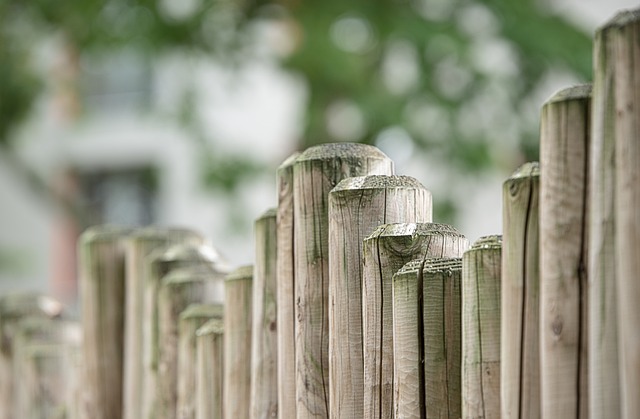
For those looking for an eco-conscious approach, wooden fences made from treated timber offer a natural aesthetic at a lower cost compared to other materials like stone or wrought iron. The installation process is generally less complex and labor-intensive, which can further reduce costs. Moreover, with proper treatment and maintenance, these fences can endure for decades, making them a sustainable option for large properties on a tight budget. Each of these materials offers unique advantages in terms of cost-effectiveness, durability, and ease of installation, ensuring that there is a suitable fencing solution available for any large property owner looking to secure their land without breaking the bank.
Assessing Land Topography and Soil Conditions for Cost Savings
When implementing cost-effective fencing solutions for expansive properties, a thorough assessment of land topography and soil conditions is paramount. Variations in terrain can significantly influence fence design and material selection. For instance, hilly or uneven terrain may necessitate more robust foundations to ensure the fence’s stability and longevity, which could otherwise lead to increased costs if not accounted for initially. Conversely, a flat and well-drained landscape might allow for simpler, less expensive installation methods.
Soil conditions also play a critical role in determining both the type of fence that can be installed and its maintenance needs over time. Soils with high moisture content or those prone to erosion may not support traditional post and rail fences without frequent upkeep. In such cases, alternative solutions like wire mesh fencing might be more suitable due to their adaptability and resilience. By carefully evaluating the soil’s composition, property owners can select a fencing option that not only aligns with the local conditions but also offers long-term cost savings by minimizing the need for frequent repairs or replacements. This proactive approach ensures that the initial investment in fencing is both judicious and sustainable, ultimately contributing to the overall financial health of managing large properties.
Designing Effective Boundary Layouts on a Large Scale
When designing effective boundary layouts for large-scale properties, it’s crucial to consider both the terrain and the property’s perimeter to create a secure and practical fence system. The initial step involves surveying the land to identify natural features that can enhance security, such as water bodies or steep gradients, which might reduce the length of fencing required. Utilizing these features can lead to cost savings while maintaining effectiveness. Once the layout is planned around these elements, one can proceed with selecting the appropriate fence type. For instance, a combination of high-tensile wire fencing for open areas and chain link or steel mesh in more exposed sections can provide robust security without overspending on materials.
In addition to the type of material, the layout must account for the property’s access points, such as gates and entry points. These should be strategically placed to control access while minimizing the overall length of fencing. The design should also incorporate features that address specific concerns, like privacy, noise reduction, or security against large-scale intrusions. For example, solid panels at intervals along the fence can offer privacy without compromising visibility for security purposes. It’s important to ensure that the chosen layout complies with local zoning laws and building codes, as these can significantly impact both the design and cost of the fencing solution. Careful planning and a clear understanding of the property’s unique aspects are key to designing an effective boundary layout on a large scale.
Professional Installation vs. DIY: Weighing the Costs and Benefits
When considering the installation of fencing for large properties, one is often faced with a decision between professional installation services and a do-it-yourself (DIY) approach. Professional installation comes with a higher upfront cost, but it offers the benefits of expert execution, adherence to local building codes, and potentially longer-lasting results. Skilled installers can efficiently manage complex projects, ensuring that the fencing is not only secure but also compliant with necessary regulations. This professional touch can be particularly valuable for those with limited time or DIY expertise, as it minimizes the risk of errors that might require costly repairs down the line.
On the other hand, a DIY approach can be significantly less expensive initially. However, hidden costs such as equipment rental, unexpected material needs, and the time investment should be carefully considered. While some individuals may have the necessary skills to install fencing effectively, others may encounter challenges that extend the project timeline. Additionally, without professional knowledge, there’s a risk of not optimizing the layout for both privacy and security, which could lead to future dissatisfaction or the need for additional work. Ultimately, the choice between professional installation and a DIY project hinges on a careful assessment of one’s budget, available resources, and the desired longevity and performance of the fencing solution.
Long-Term Maintenance Strategies to Maintain Affordability
To maintain the affordability of large property fencing over time, implementing long-term maintenance strategies is key. Regular inspections should be scheduled at least twice a year to identify and address issues before they escalate into costly repairs. This proactive approach not only extends the lifespan of the fencing but also ensures that any necessary repairs are carried out in a timely and less expensive manner. Employing durable materials designed for outdoor conditions can reduce the frequency of maintenance required. For example, materials with natural weather resistance or those treated to resist rot, rust, and pests will require less frequent treatments or replacements.
In addition to choosing resilient materials, a well-thought-out maintenance plan should include a clear protocol for addressing different types of damage, whether it be from environmental factors like wind and snow or from human activity. This plan should also incorporate the use of preventative treatments, such as protective coatings that safeguard against corrosion or sealants that prevent moisture ingress. Regular upkeep tasks, such as clearing overgrowth that might obscure visibility through or around the fence, cleaning surfaces to remove moss, algae, or graffiti, and tightening any loose hardware, should be included in this routine. By allocating a set budget for annual maintenance and adhering to it, property owners can avoid unexpected costs and ensure their fencing remains a cost-effective solution throughout its lifecycle.