In New Bedford, MA, a privacy fence offers more than mere aesthetics; it’s an investment in personal space and security. This article guides you through the process of installing a privacy fence, from understanding its benefits and exploring various types to planning your project, selecting durable materials, hiring local experts, and maintaining your new addition. Discover how these steps ensure a seamless and long-lasting installation tailored to your needs.
- Understanding Privacy Fences: Benefits and Types
- Planning Your New Bedford Installation Project
- Choosing the Right Materials for Durability
- Hiring Local Experts for Seamless Execution
- Post-Installation Maintenance Tips and Tricks
Understanding Privacy Fences: Benefits and Types
Privacy fences offer more than just a physical barrier; they are an investment in your outdoor space’s security and serenity. Whether you seek to block unwanted views, ensure privacy for outdoor gatherings, or create a safe haven for children and pets, the right fence can transform your backyard into a personal oasis. These structures come in various types, each serving unique purposes and aesthetic preferences.
From classic wood designs that exude warmth and charm to modern metal or vinyl options known for their low maintenance, the selection allows for customization to match any property and lifestyle. Privacy fences also play a vital role in enhancing home security by deterring intruders and providing added protection for families. With numerous styles and materials available, homeowners can choose a fence that not only meets their privacy needs but also complements their neighborhood’s character.
Planning Your New Bedford Installation Project
Choosing the Right Materials for Durability
When it comes to selecting materials for your privacy fence in New Bedford, MA, durability should be your top priority. Opting for high-quality, weather-resistant options will ensure your fence stands the test of time and withstands the region’s climate conditions. Wood, while aesthetically pleasing, may not be the best choice due to its susceptibility to rot, mold, and insect damage over time. Instead, consider durable materials like vinyl or wrought iron.
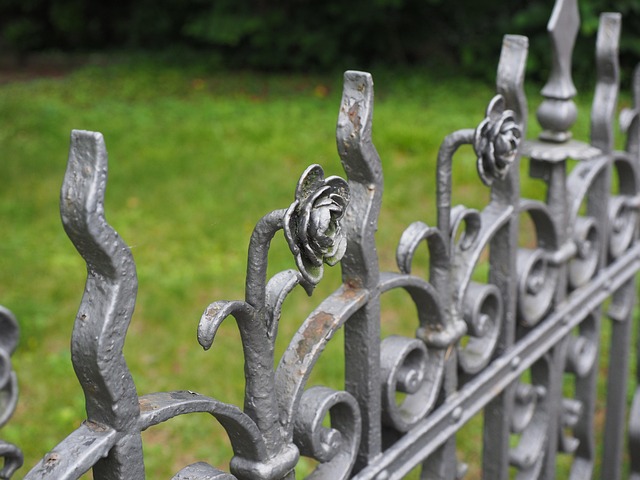
Vinyl fences are an excellent option as they are virtually maintenance-free, resistant to rot and pests, and can withstand extreme temperature fluctuations. Wrought iron fences offer a more traditional look and are incredibly strong, but may require regular painting to prevent rusting. Both options provide privacy and security while maintaining their structural integrity for years to come.
Hiring Local Experts for Seamless Execution
When considering a privacy fence installation in New Bedford, MA, hiring local experts is a strategic move that ensures seamless execution. Local contractors are intimately familiar with the area’s unique challenges and regulations, from zoning laws to terrain considerations. This knowledge translates into better problem-solving during the installation process, resulting in a more tailored and compliant fence.
Moreover, engaging the services of seasoned professionals guarantees a higher level of craftsmanship. They bring expertise in using various materials, designs, and techniques, allowing for a fence that not only serves its purpose but also enhances your property’s aesthetic appeal. Trusting local experts saves time, reduces potential mistakes, and ensures you receive a quality installation that stands the test of time.
Post-Installation Maintenance Tips and Tricks
After your privacy fence is installed, proper maintenance will ensure its longevity and appearance. Regular cleaning is essential; use a soft brush or cloth to remove any dirt or debris that accumulates on the fence’s surface. Avoid using harsh chemicals as they might damage the material. A light wash with soapy water is usually sufficient.
Inspect your privacy fence periodically for any signs of wear and tear, such as loose panels or damaged posts. Repairs should be addressed promptly to prevent further deterioration. Keep the area around the fence clear of overhanging branches that could cause scratches or dents. Lastly, consider sealing the fence annually to protect it from the elements, especially if you live in a region with harsh winters or frequent storms.